
new here?
Start Here: Your Guide to Changing Your Voice
Training, surgery, or both? This guide explains what makes a voice read as male or female, what practice can change on its own, what each operation actually adds, and the order people usually do them in.
start here →


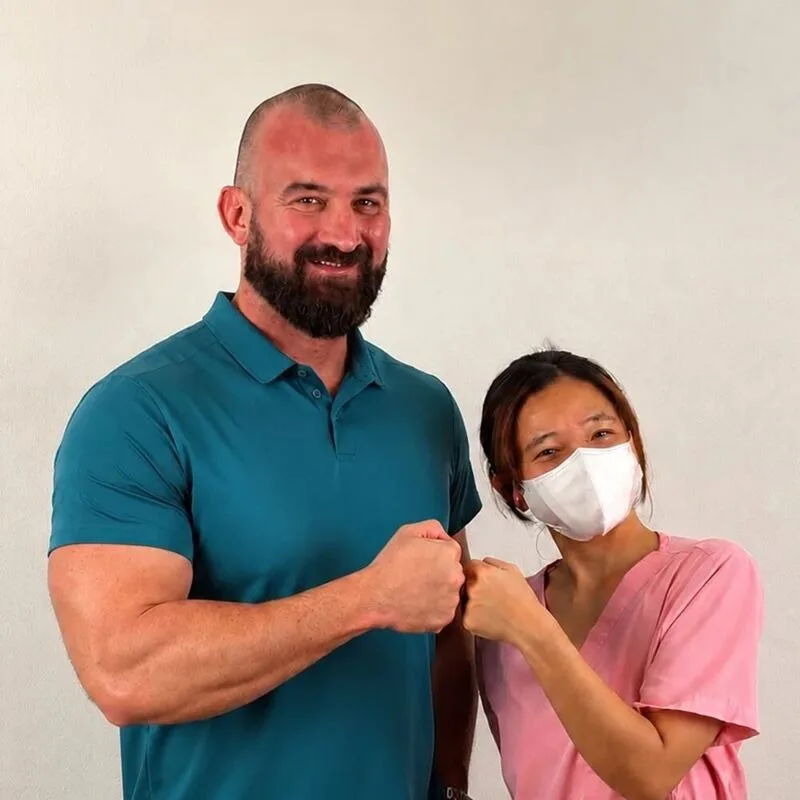
hi, I’m Nick — Welcome!
Nick Peplow
the short version
Pitch Is Only Part of It
A voice reads as male or female on several things at once. Pitch is the one everybody knows about. Resonance, the size of the space the sound rings in, matters at least as much, and intonation, word choice and the small habits of speech carry the rest. Surgery can change pitch. Only practice changes the others.
That is why training comes first almost everywhere, and why most surgeons will not operate on a voice until you have worked with a therapist. For trans men and non-binary people on testosterone the order is different again, because the hormone does most of the work and surgery is a rare exception.
I built this site because the people I’ve watched through voice surgery were rarely told any of that plainly before they booked. No sales pitch here, and no promise that an operation does the work of a year of practice.
read more →What are you trying to figure out?
popular searches:
Start with training, in almost every case. Practice changes resonance, intonation and how you use pitch, and those carry as much of how a voice is heard as pitch itself. Surgery raises the lowest note you fall back to, and it works best on a voice that has already been trained. Start Here explains what each one changes.
There is no single best one. Wendler glottoplasty is the most common first operation for raising pitch, cricothyroid approximation is the older alternative, and the larger laryngoplasty procedures are done by a small number of surgeons. The right one depends on your voice, your goals and which operations your surgeon does often. Voice feminization surgery sets out how they compare.
For most people, yes, over roughly the first year, though how far it drops varies and it does not do resonance for you. A minority are left with a voice they are unhappy with, and that is where training and, rarely, surgery come in. Testosterone and your voice covers it.
After a glottoplasty, expect roughly seven days of saying nothing at all, then a few minutes of quiet speech a day that your therapist builds up over the following weeks. People plan time off around the operation and forget that the silence is what needs arranging. Training after surgery walks through it.
No. A shave trims the bump of cartilage at the front of the neck; the vocal folds sit just behind it and aren't touched. Because both operations happen on the same piece of cartilage, though, it makes sense to plan them together. Tracheal shave explains why the order matters.
Plenty of people get a long way on their own with recordings and patience. What you can't do is hear your voice from the outside, and a therapist can, which is how strain, a pressed throat or a habit you've stopped noticing gets caught early. If surgery is on your list, most surgeons want to see therapy first anyway. Working with a voice therapist covers what sessions involve and how to choose one.
Voice Training
Changing how you speak through practice, alone or with a therapist. The first step for almost everyone, and it continues after surgery.
See all training guides →
Voice Feminization Surgery
Four operations that lift the pitch floor, each giving up some range or power to do it. Best on a voice that has already been trained.
See all feminization surgery guides →
Voice Masculinization
Testosterone deepens most voices on its own. Surgery is for the few it does not reach far enough.
See all masculinization guides →